

How We Turned an Abandoned Fortress Plot into a Gold Winning contributor.
When we first peered through the entrance gate of the Constable’s Tower Kitchen Garden back in March 2022, it was hard to see past the weeds and general abandonment. What was once a thriving 18th-century plot built to feed the Deputy Constable’s household, had been left uncared for and in serious need of restoration. The soil was a heavily compacted, poorly draining chalk slab, and the historic stone edgings of each plot were all that remained as a clue to its previous history and purpose.
Four years later, that same forgotten space has just made a significant contribution in the RHS South and South East in Bloom awards—helping the Dover region to take home a Gold Award, Best in Category, and the Gold Biodiversity Award.
Here is the inside story of how our incredible team of volunteers worked with English Heritage to overcome unique archaeological challenges, build a thriving ecosystem, and make our project 100% self-funding.
🗓️ March 2022 - First boots on the ground; site clearing
👩🌾 2023 Season - Soil management, Open days & Events begin
🪱 2024–2025 - No-Dig infrastructure & soil improvement
🏆 September - Self Funding achieved, 2026 Triple RHS Gold & Category Winners!
The Technical Challenge: Gardening on a Scheduled Monument
Gardening inside a Scheduled Ancient Monument isn’t like working in a typical vegetable garden. We have to be mindful at every stage of renovation of the sensitive archaeological layers, so some techniques are completely off-limits. Even down to painting a shed door or installing a Potting shed has to have approval. To work around some of the restrictions and heal the heavily compacted soil, we designed a highly technical, non-invasive growing system:
-
- The No-Dig Method: Instead of turning over the soil and disrupting the ground, we layered organic matter directly onto the surface profile. This naturally suppressed weeds while building up a rich topsoil matrix from the top down ensuring that the sub soil became a hive for bacterial growth and thus developing its very own ecology that would ultimately improve water retention.
- Closed-Loop Soil Nutrition: We shied away from store-bought chemical fertilisers, in favour of an on-site vermiculture system (wormery) and utilised an old coalbunker and set up a composting system. This turned organic waste from the castle grounds into premium, nutrient-dense compost. We have since added two further composting bins and are now into a yearly circle of production which we estimate will save approximately £250 to £350 per year.
- Engineered Raised Beds: We methodically removed the decaying timber edging whilst preserving the original stone edgings of each plot. We have installed a series of raised beds, with an automatic watering system, and these have given us the root-zone depth we desperately needed for our crops, control moisture retention, and safely opened up accessible paths for visitors around the site.
“Things are shaping up beautifully, and it is all down to the hard work of our incredibly keen volunteers. Watching the transformation from a barren uncared for plot, into structured, accessible beds has been nothing short of inspiring.”
— Mark Danson, Project Coordinator
Bringing History to Life with ‘Dig for Victory’
By 2023, the soil was slowly beginning to recover enough for us to push the boundaries of what this garden could do. We experimented with a variety of crops, some of heritage variety and for a short period during the year we adopted a wartime ‘Dig for Victory’ theme using historically accurate methods and show casing the projects progress on open days. These were immensely well attended and visitor feedback was very supportive.
We did not want to simply grow food; we wanted to create an immersive time capsule. If you visit us during a castle event weekend, you’ll find our volunteers fully dressed in authentic Women’s Land Army (WLA) and Home Guard uniforms, working with period-accurate hand tools.
To complete the sensory experience, we set up a functioning 1930s gramophone in the garden during the WW2 Weekend. Hearing old-time classics echo across the ancient stone ramparts has become an absolute favourite for both international and local visitors, often bringing entire tour groups to a complete standstill. During major history weekends, this tiny micro-plot handles intense foot traffic, often welcoming in excess of 500 visitors in a single weekend.
How We Became 100% Self-Funding
One of our proudest milestones at the close of the 2026 season is that the Kitchen Garden is now completely financially independent. We don’t rely on external grants or corporate cash to keep the gates open. Instead, we run a mini botanical economy right here within the castle walls:
-
- Intra-Mural Propagation: Every single vegetable, herb, and plant on display is grown from scratch using seeds and cuttings many harvested directly from the garden’s previous generation.
- Donation Plant Sales: During public open days, we offer a range of plants and quite often produce as well, from runner beans, curly kale, tomatoes and chillies to traditional herbs and garden plants, all in exchange for donations.
- Full Reinvestment: Every penny goes straight back into the project fund, ensuring the garden sustains itself year after year.
“As the seasons transition, our harvest remains incredibly bountiful, yielding an abundance of fruit, veg, herbs and plants. Every penny donated for these crops goes right back into our project, making this a truly self-sustaining project.”
— Kitchen Garden Volunteer Team
What’s Next for the Garden?
Our recent success in helping Dover at the RHS awards—especially the Gold Biodiversity Award—proves that historical preservation and modern ecological care can go hand in hand. By completely eliminating chemicals, practicing companion planting, and creating micro-habitats, we have turned a barren stone enclosure into a buzzing haven for local birds, bees, and pollinators.
Right now, we are taking advantage of the autumn weather to tuck the garden in for winter. We are applying thick layers of protective manure and organic mulch to shield our delicate soil biology from winter leaching.
“We extend our sincerest gratitude to everyone who has stepped through our garden gates and supported us over the last four years. We are already hard at work planning our 2027 open days, where we intend to unveil brand-new heritage crop initiatives to inspire a whole new wave of history and garden lovers.”
— The Friends of Dover Castle Committee

Kitchen Garden March 2022
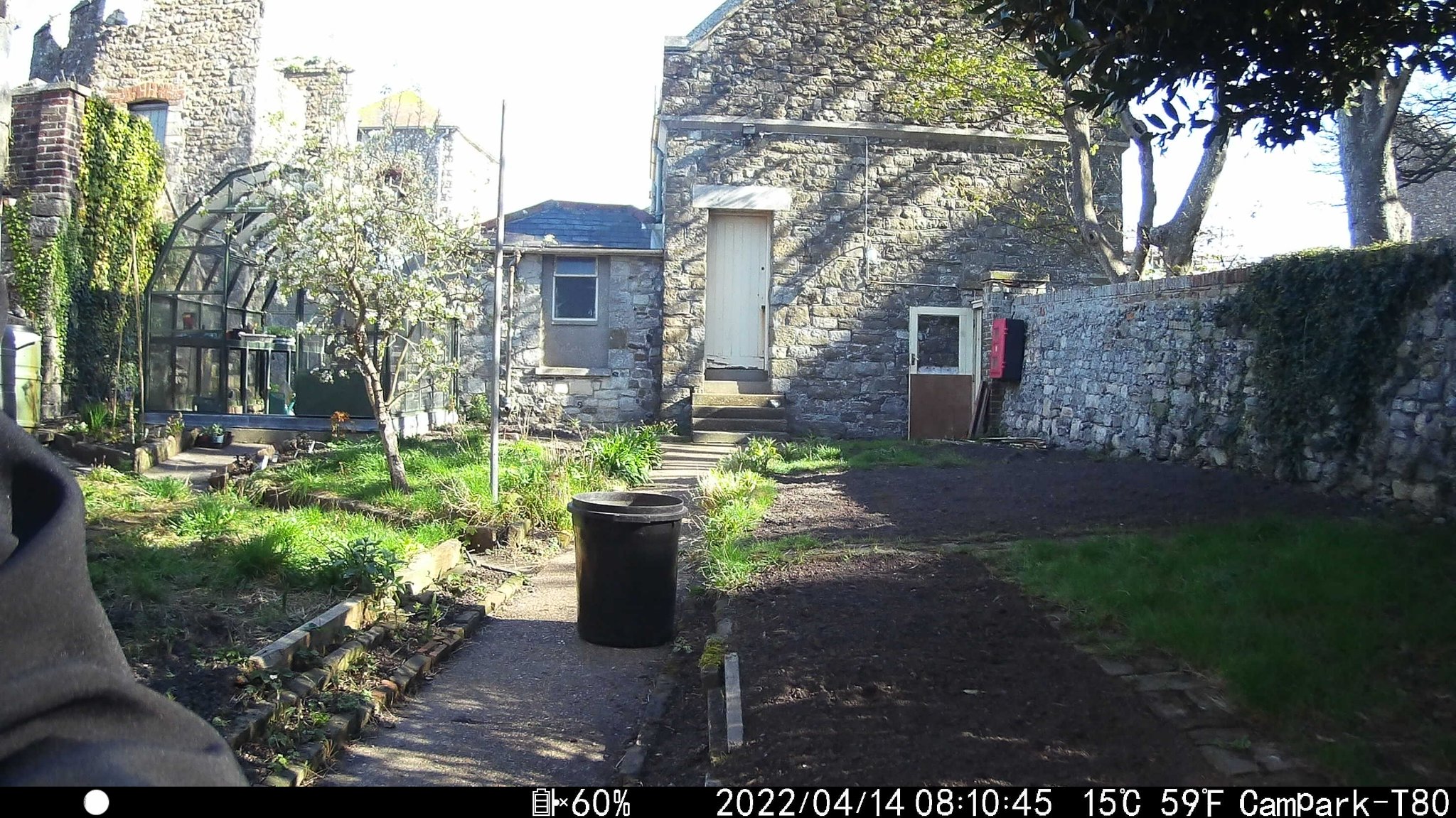
kitchen garden march 2022
March 2022

Kitchen Garden March 2023
Kitchen Garden March 2023
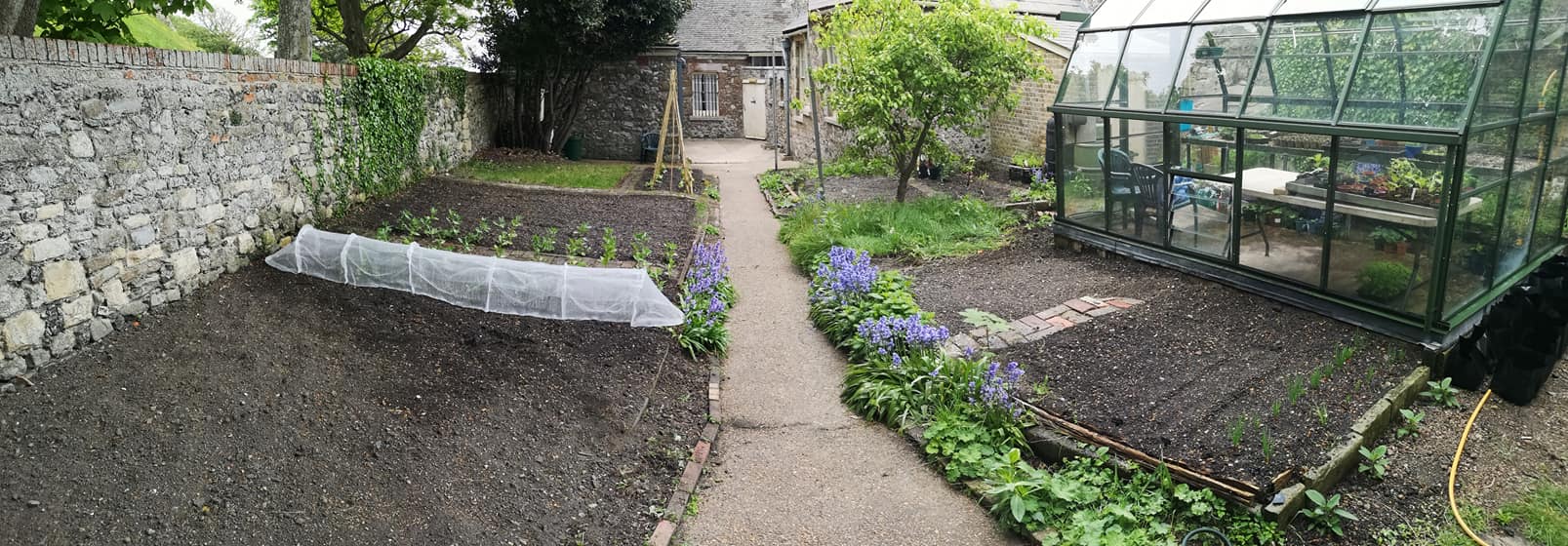
kitchen garden 2023

Kitchen Garden May 2024
Kitchen Garden May 2024
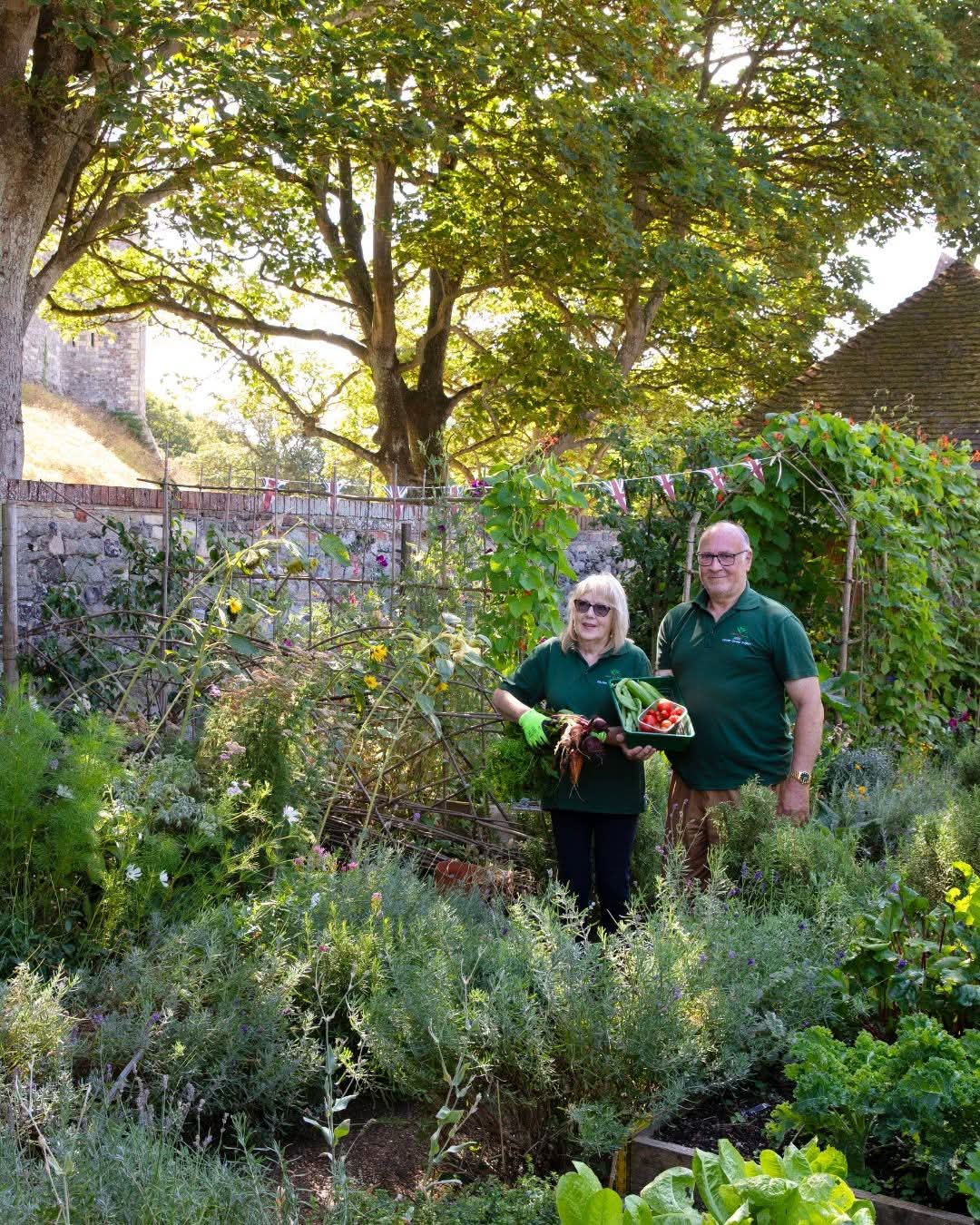
Dover in Bloom 2026
Dover in Bloom 2026